Sweden's sauna tradition stretches back centuries, rooted in a deep connection between the body, the elements and the natural landscape. For Swedes, the sauna is not a luxury — it is part of everyday life, a place to slow down, reconnect and let the heat do its quiet work. If you're visiting Stockholm and curious about this tradition, here's everything you need to know before your first session.
The Thermal Cycle: Heat, Cold, Rest
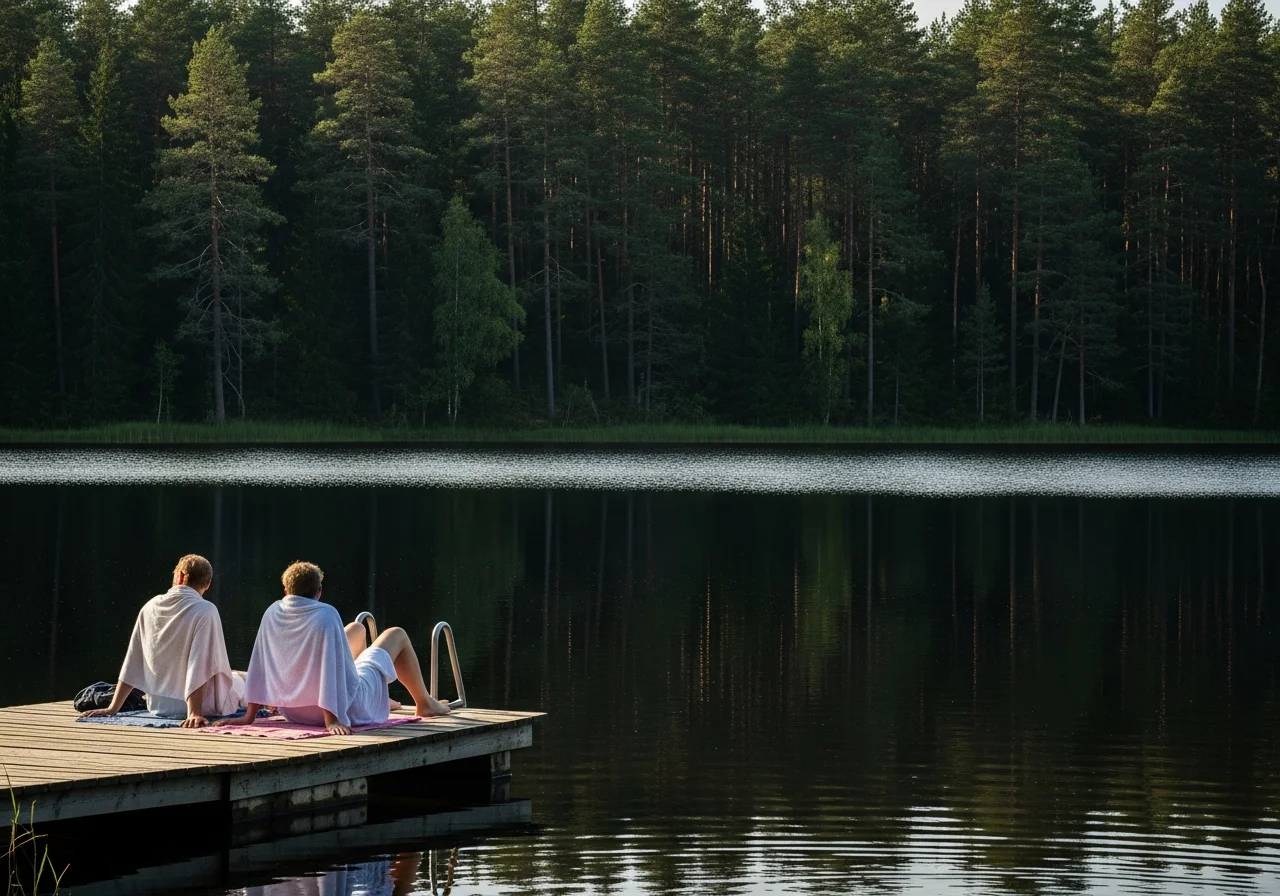
At its core, Nordic sauna bathing follows a simple rhythm: heat, cold, rest. You warm the body in the sauna — typically between 70°C and 100°C — until you feel fully heated. Then you cool down, ideally in cold water. A lake, the sea, or even a cold shower will do. Afterwards, you rest. Wrapped in a towel or blanket, you sit quietly and let the body settle. This cycle is usually repeated two or three times.
The effect is striking. The contrast between extreme heat and cold triggers a cascade of physical responses — improved circulation, reduced muscle tension, a deep sense of calm. Many describe the post-sauna feeling as a kind of euphoria. The Finns call it 'löyly' — roughly translated as 'sauna spirit' — and Swedes share much of this philosophy, even if they tend to be a little less vocal about it.
Sauna Etiquette in Sweden
Swedish sauna culture is relaxed but does have a few norms worth knowing. In most traditional settings, you sauna without clothes. A towel is placed on the bench to sit on. Conversation is welcome but kept calm — the sauna is not a place for loud voices or phone calls. Respect the quiet.
If you're using a public sauna or a mixed-gender facility, swimwear is often the norm. It's perfectly acceptable to ask at the door if you're unsure. Nobody will judge you for asking. If anything, the Swedes will appreciate the courtesy.
Hydration is important. Drink water before, during and after your session. Avoid heavy meals right before but don't go in on an empty stomach either. Alcohol and sauna do not mix — this is both a safety rule and a cultural expectation.
Types of Sauna You'll Find in Stockholm
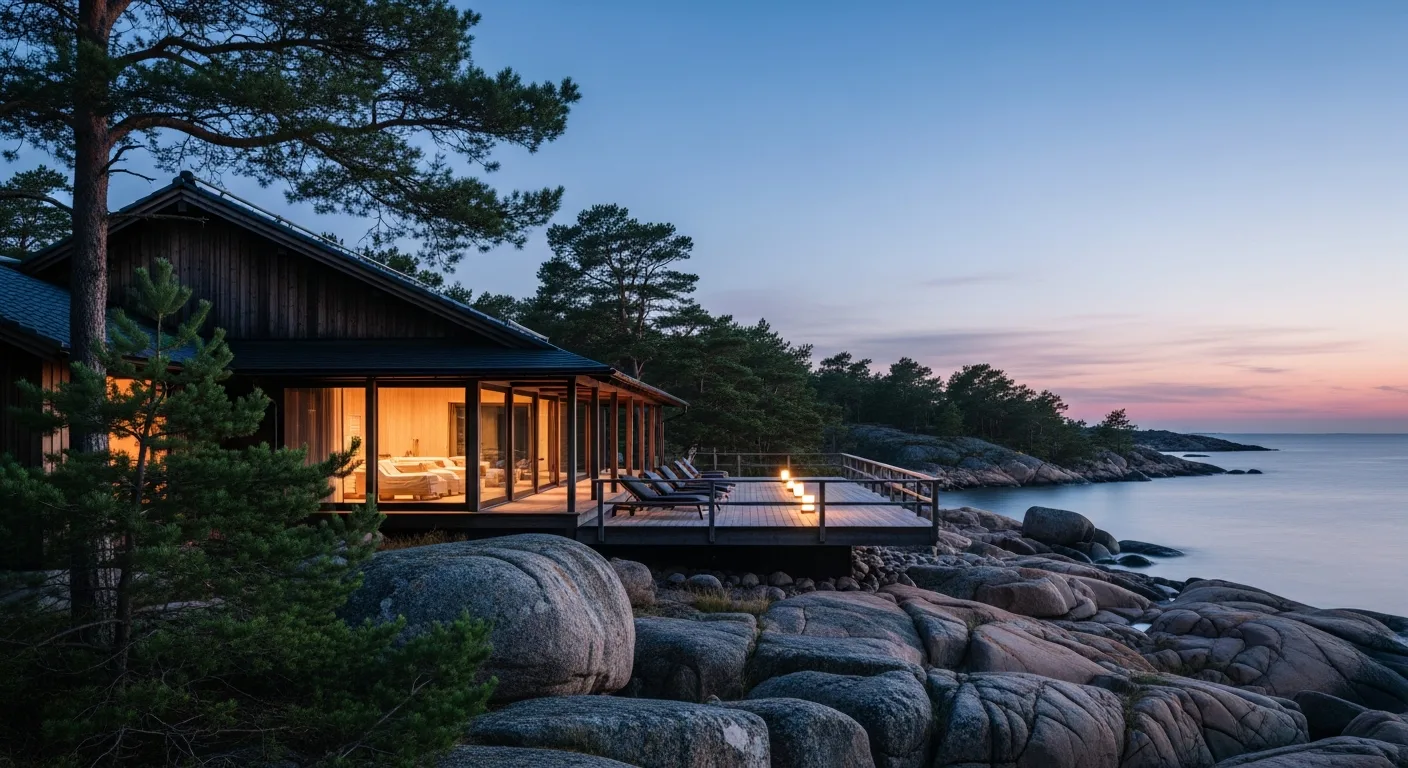
Stockholm offers a remarkable variety of sauna experiences. The classic wood-fired 'bastu' is the most traditional — heated by a log-burning stove with stones that you throw water on to create steam. These are often found on the waterfront or beside a lake.
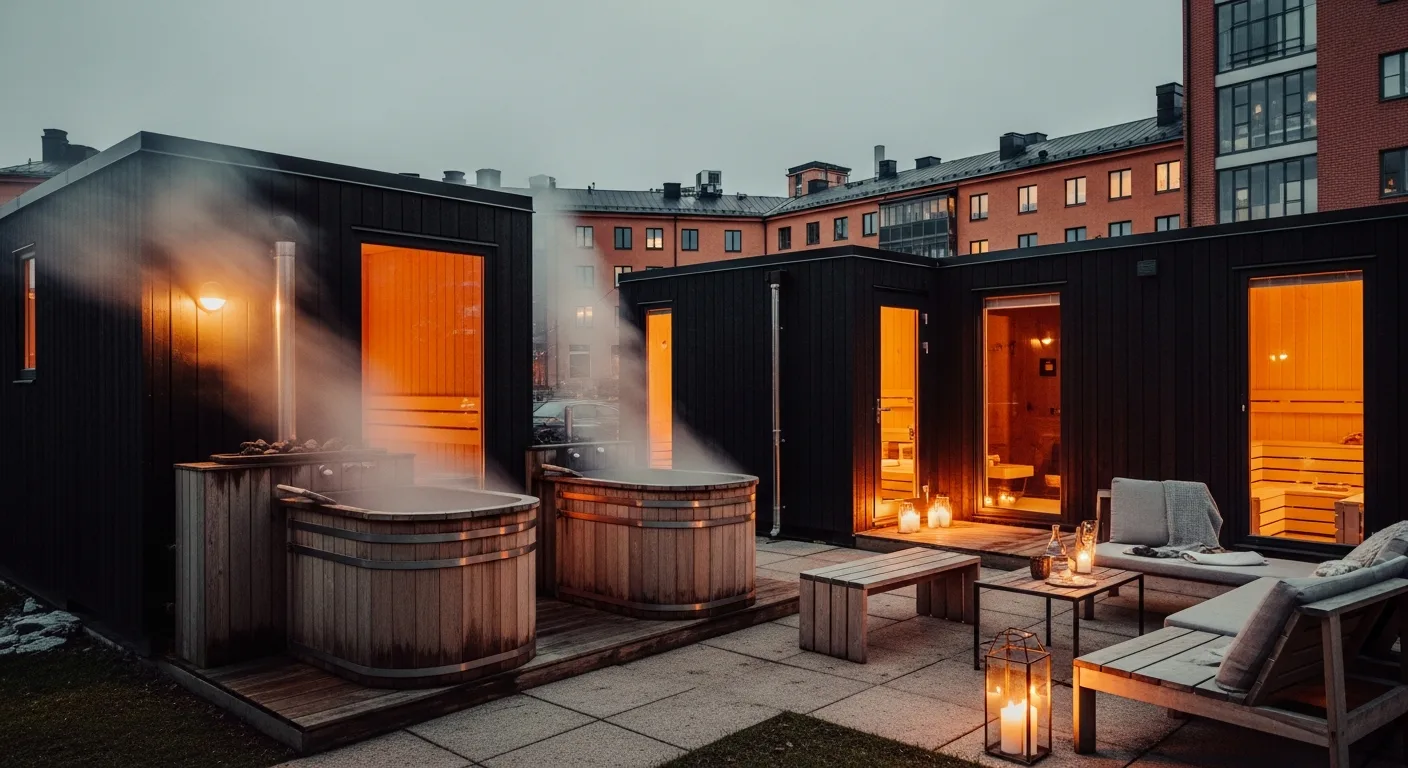
Electric saunas are more common in urban settings and gyms. They heat up quickly and are easy to regulate. Smoke saunas (rökbastu) are rarer and considered a delicacy — the room is filled with smoke from a wood fire, then ventilated before use. The result is a softer, deeper heat with a distinctive smoky aroma.
You'll also find floating saunas — small sauna cabins built on pontoons, moored along Stockholm's waterways. These combine the sauna experience with direct access to the water for cold dipping, and views of the city skyline that are hard to beat.
The Health Benefits
Research supports what the Nordic countries have known intuitively for centuries. Regular sauna use is associated with improved cardiovascular health, reduced inflammation, better sleep, lower stress levels and enhanced immune function. A 2018 study from the University of Eastern Finland found that frequent sauna bathing was associated with a significantly lower risk of cardiovascular disease.
The cold water component adds its own benefits. Cold exposure activates brown fat, stimulates the vagus nerve and promotes the release of norepinephrine — a neurotransmitter linked to focus, mood and energy. Together, the heat-cold cycle creates a powerful full-body reset.
How to Experience Sauna in Stockholm
If you'd like to experience Swedish sauna culture during your visit to Stockholm, our thermal experiences are designed to introduce you gently and authentically. We take small groups to some of Stockholm's most beautiful sauna locations — from lakeside bastus to a guided city sauna experience with optional outdoor swimming when conditions permit — and guide you through the full thermal cycle with context, care and plenty of time to enjoy the surroundings.
No experience is needed. Just bring an open mind, a towel and a willingness to step outside your comfort zone — one degree at a time.