Stockholm's archipelago is one of those places that sounds too good to be true until you see it for yourself. Roughly 30,000 islands, skerries and rocks stretching from the city's eastern waterfront out into the Baltic Sea, it's a landscape of extraordinary beauty and surprising accessibility. You can be standing on a sun-warmed granite rock, looking out across open water with not a soul in sight, just an hour from the city centre.
Understanding the Archipelago
The archipelago is typically divided into three zones. The inner archipelago, closest to Stockholm, features larger, more heavily forested islands with year-round communities, harbours and ferry connections. Many of these islands have a distinctly pastoral character — red-painted farmhouses, apple orchards and meadows leading down to rocky shores.
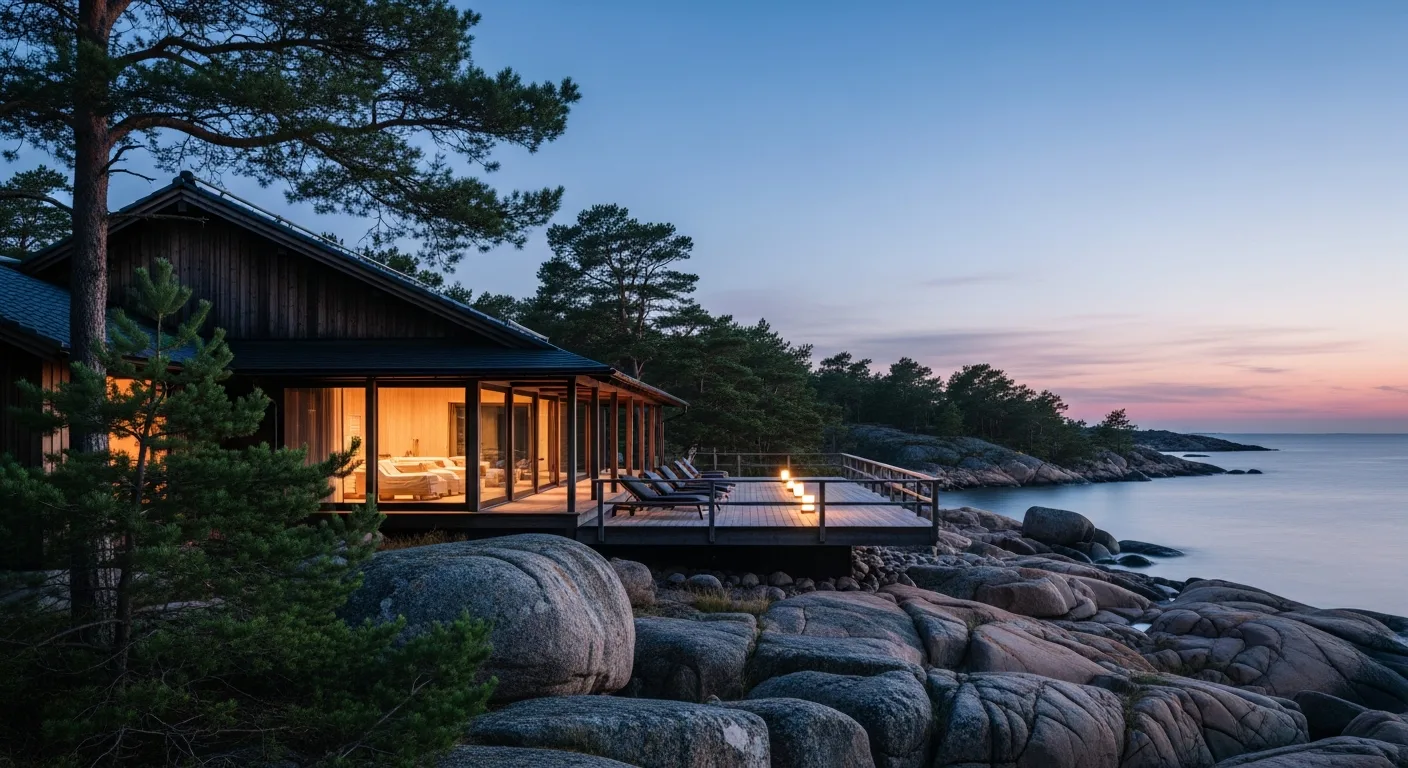
The middle archipelago is where things start to open up. The islands become smaller, the trees shorter and more wind-shaped, and the sense of exposure to the elements increases. This is where many Stockholmers have their summer cottages — simple wooden cabins, often without running water, perched on granite outcrops with views that would cost millions in other countries.
The outer archipelago is raw and elemental. Here, the islands are little more than smooth granite humps rising from the sea, scoured by wind and ice. Vegetation is sparse — low juniper, sea buckthorn and hardy grasses. The light is different out here: brighter, sharper, reflected off water in every direction. It's one of the most beautiful landscapes in northern Europe.
Getting There
The main ferry operator, Waxholmsbolaget, runs services to dozens of islands year-round, with expanded schedules in summer. Boats depart from Strömkajen in central Stockholm, and journey times range from 30 minutes to the nearest inner islands to around three hours for the outermost destinations.
The experience of arriving by boat is part of the pleasure. As the city falls away behind you, the water opens up and the rhythm of the journey slows. By the time you step off the boat onto a wooden jetty, you've already begun to decompress.
For a more intimate experience, private boat transfers and RIB boats can take you to islands that the scheduled ferries don't reach. Our Archipelago Thermal Retreat uses a combination of transport options to reach a quieter part of the middle archipelago that most visitors never see.
What to Do
The archipelago invites a particular kind of activity — unhurried, close to the elements and responsive to the weather. Swimming from granite rocks is a quintessential Swedish summer experience. The water is cold but clean, and the contrast between sun-warmed stone and Baltic seawater is thrilling.
Walking and exploring the islands on foot is deeply rewarding. Many islands have marked trails, but the real pleasure often lies in simply wandering — following the shoreline, climbing to a high point for a view, finding a sheltered spot among the rocks.
Kayaking is another wonderful way to experience the archipelago. The sheltered waterways between islands offer calm paddling conditions, and the freedom to explore at your own pace. Several operators offer guided tours and rentals from various points in the inner archipelago.
Foraging is part of the culture here. In late summer, the islands yield wild blueberries, lingonberries and chanterelle mushrooms. Sea buckthorn berries — bright orange and intensely sour — grow on many of the outer islands and are rich in vitamin C. The Right of Public Access means you're free to pick whatever you find, as long as it's not on private garden land.
Sauna on the Water
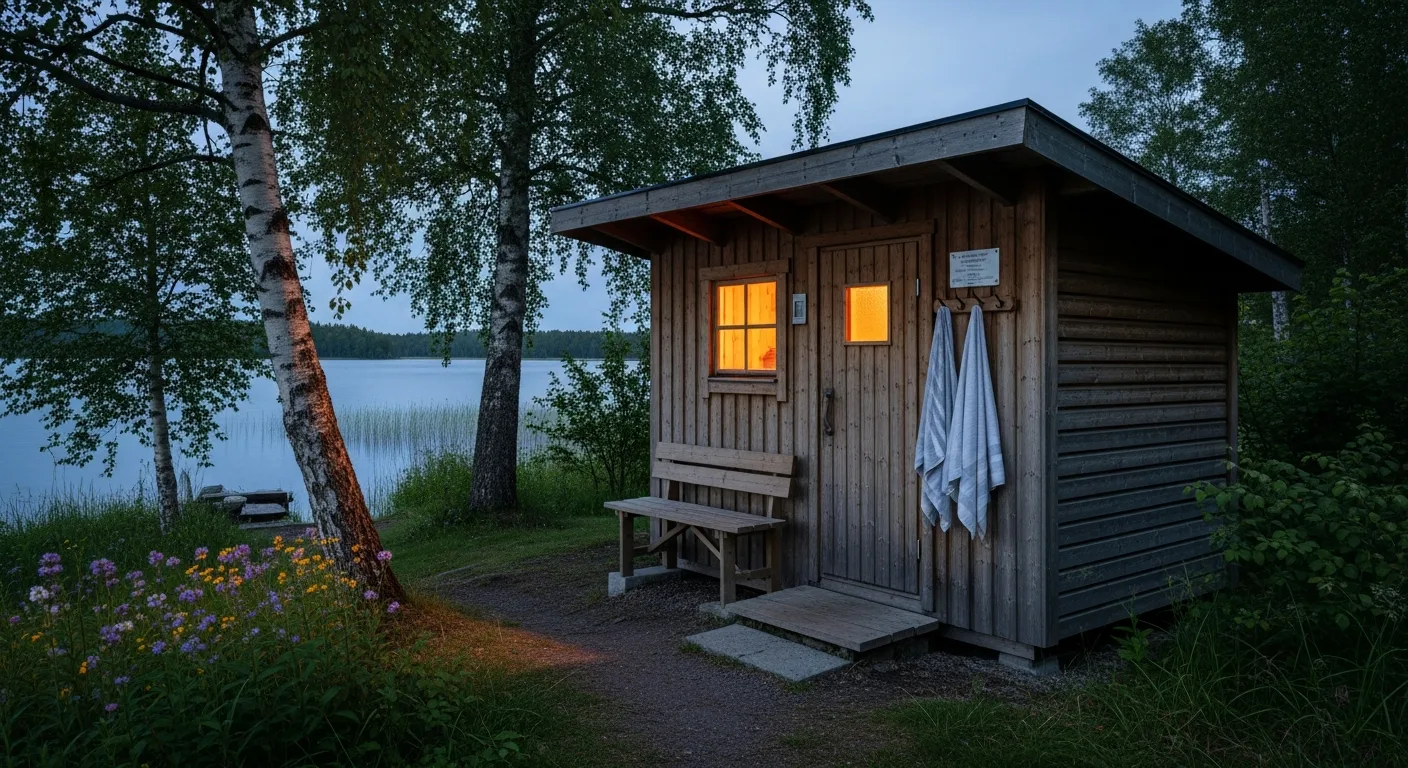
Several of the archipelago islands have traditional saunas, and the combination of a wood-fired bastu and a dip in the Baltic is one of the great Swedish experiences. Some are public facilities attached to guest harbours; others are private, belonging to summer houses and available through personal invitation or organised experiences.
Our Archipelago Thermal Retreat includes a traditional sauna session on one of the islands, with cold water swimming directly from the rocks. It's the kind of experience that stays with you — the smell of wood smoke, the shock of cold water, the warmth of the afternoon sun on your skin as you rest between rounds.
When to Visit
The archipelago is beautiful in every season, but the character changes dramatically. Summer (June to August) brings long days, warm temperatures and the liveliest island communities. Midsummer in the archipelago is a special experience — flower crowns, herring, schnapps and dancing around the maypole.
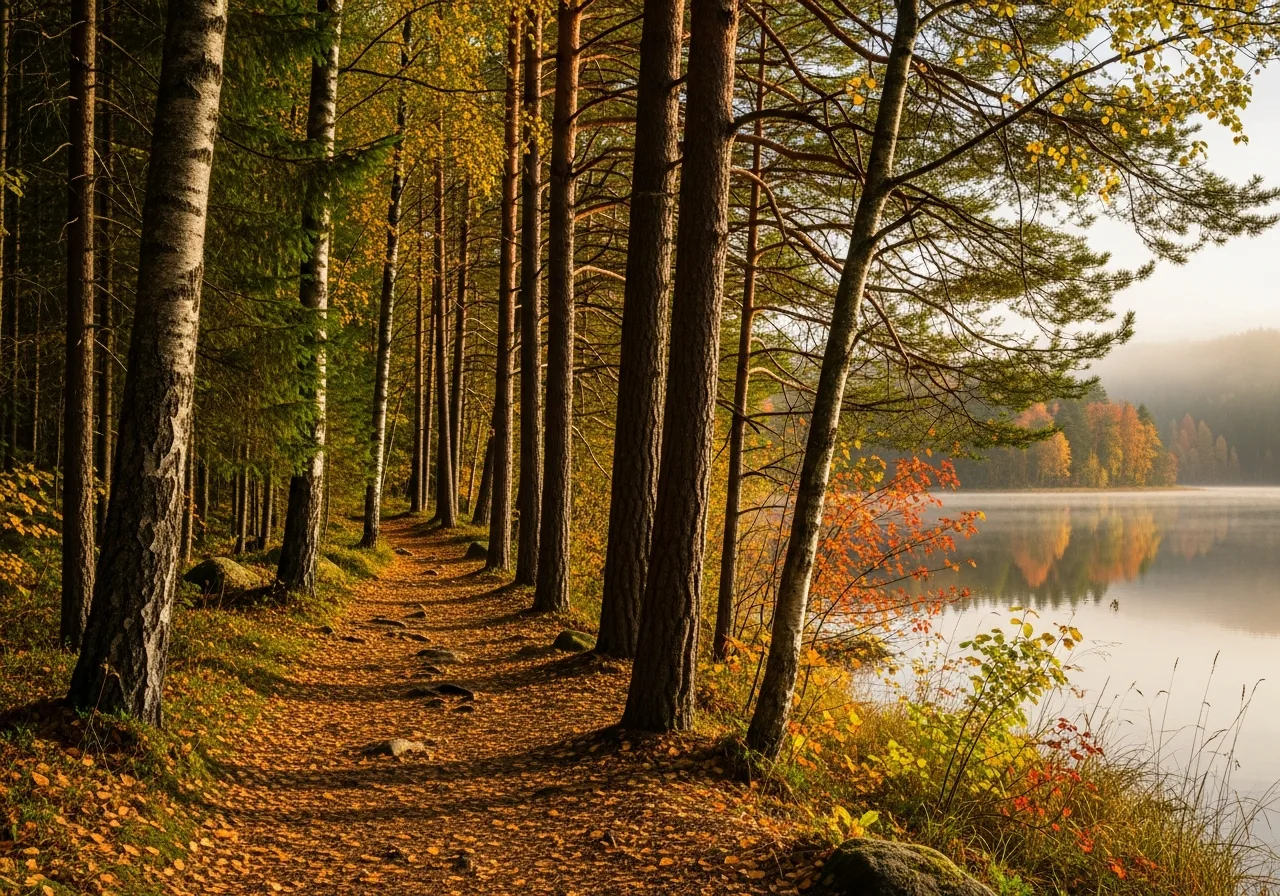
Autumn is quieter and arguably more atmospheric. The light turns golden, the birch trees blaze yellow and the summer visitors depart. September and October offer mild weather and a sense of having the islands to yourself.
Winter transforms the archipelago entirely. The inner waterways may freeze, and some islands become accessible by foot across the ice. The light is low and blue, and the landscape takes on a stark, almost Arctic quality. It's beautiful in a completely different way.
Spring arrives slowly, with the first warmth in April and May bringing migrating birds, blooming sea thrift and the gradual reopening of ferry routes and island cafés. It's a season of anticipation — the whole archipelago seems to exhale and stretch after the long winter.