If you spend any time in Sweden, you'll quickly encounter fika. It's everywhere — in offices, homes, cafés and, on our walks, in forest clearings and on lakeside rocks. At its simplest, fika is coffee and something sweet. But to describe it that way is to miss the point entirely.
Fika is a pause. A breath. A moment to step away from whatever you're doing and be present with the people around you. It's one of the most distinctive features of Swedish daily life, and understanding it helps you understand something fundamental about the culture.
The Origins
The word 'fika' is believed to be a 19th-century back-slang inversion of 'kaffi' — an older Swedish word for coffee. Sweden has one of the highest rates of coffee consumption in the world (second only to Finland, depending on which study you read), and the relationship between Swedes and their coffee is deep and serious.
Coffee arrived in Sweden in the early 18th century, initially as an expensive curiosity enjoyed by the aristocracy. By the 19th century, it had become a staple of Swedish life at every social level. The tradition of gathering for coffee and pastries evolved alongside it, eventually becoming codified as 'fika' — a social institution with its own rhythms and expectations.
How Fika Works
In a typical Swedish workplace, fika happens twice a day — usually at 10am and 3pm. It's not optional in the way a coffee break might be elsewhere. Skipping fika is noticed and, in some workplaces, gently frowned upon. The expectation is that you stop what you're doing, make or buy coffee, and sit with your colleagues for 15 to 30 minutes.
The conversation during fika is deliberately light. This isn't a meeting or a brainstorming session. It's a chance to talk about the weekend, the weather, the latest series on SVT, or nothing in particular. The point is connection, not productivity — though Swedish companies argue that fika actually improves productivity by building trust and reducing stress.
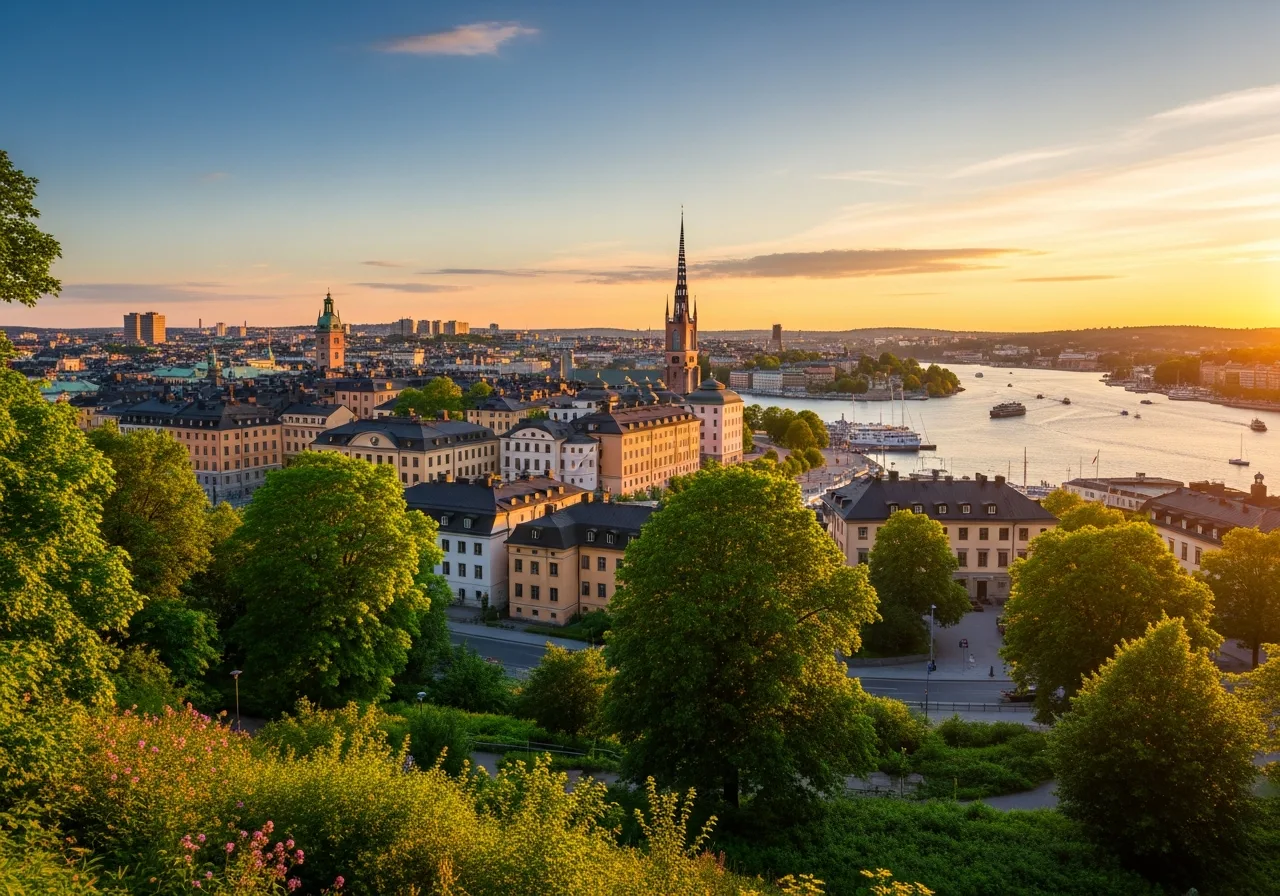
At home, fika might be more spontaneous — a friend drops by, you put the kettle on, you sit at the kitchen table with a plate of biscuits. In cafés, fika is an art form. Stockholm has a remarkable café culture, with everything from sleek modern coffee bars to traditional 'konditori' (cake shops) that have been serving the same recipes for decades.
What to Eat
The classic fika accompaniment is the kanelbulle — the cinnamon bun. Sweden even has a dedicated Kanelbullens Dag (Cinnamon Bun Day) on 4 October. A good kanelbulle is soft, fragrant with cardamom, generously swirled with cinnamon and sugar, and just sticky enough to require a napkin.
Other staples include chokladbollar (chocolate balls — oat-based, rolled in coconut or pearl sugar), kardemummabullar (cardamom buns, the kanelbulle's more sophisticated cousin), and various slices of cake, particularly prinsesstårta — the iconic green marzipan-covered sponge.
On more formal occasions, you might encounter a full fika spread — 'sju sorters kakor' (seven types of cookies), which traditionally includes everything from simple butter biscuits to elaborate layered cakes. This is rare in everyday life but appears at holidays and celebrations.
Fika on Our Walks
We include fika on every one of our nature walks because it would feel wrong not to. The pause, the warmth, the sweetness — these things matter, especially when you're outdoors.
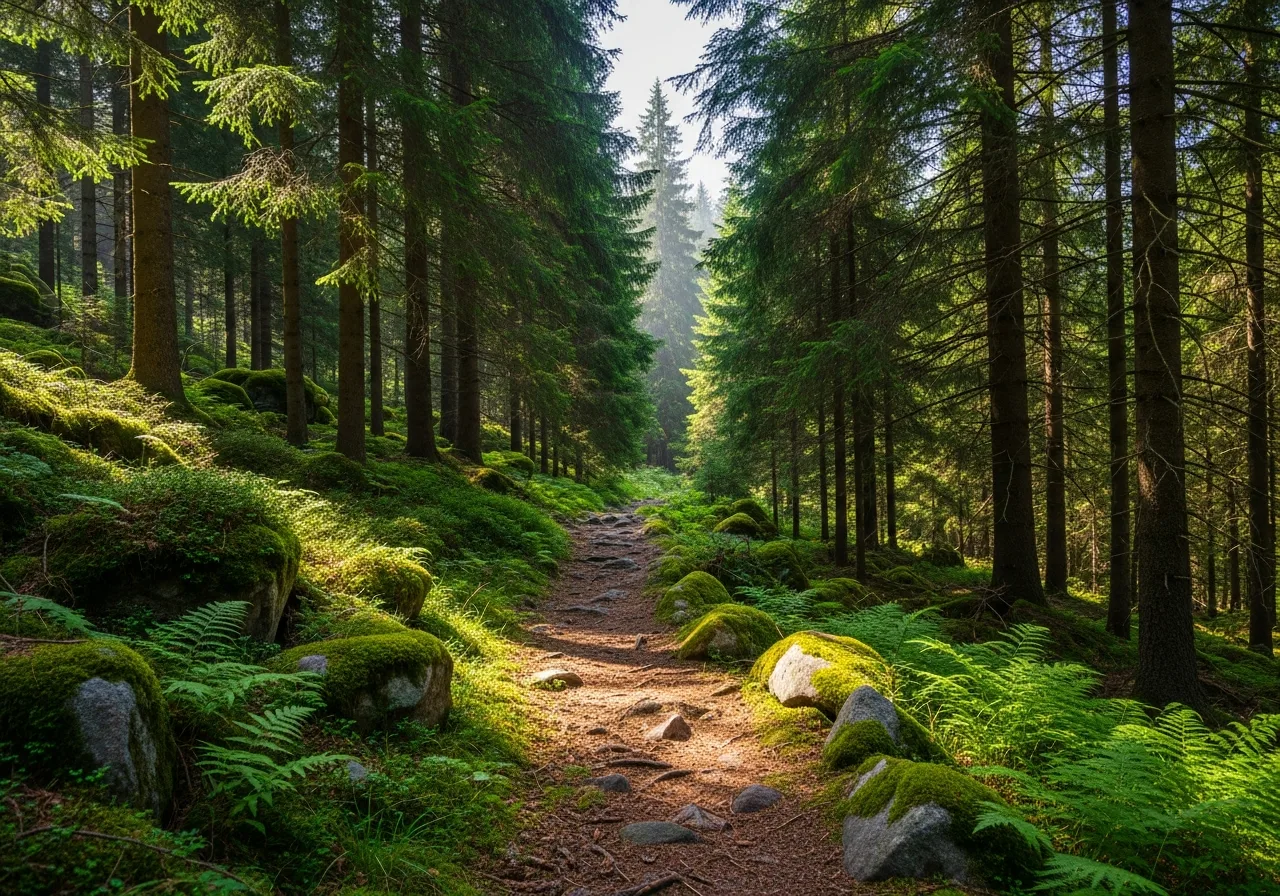
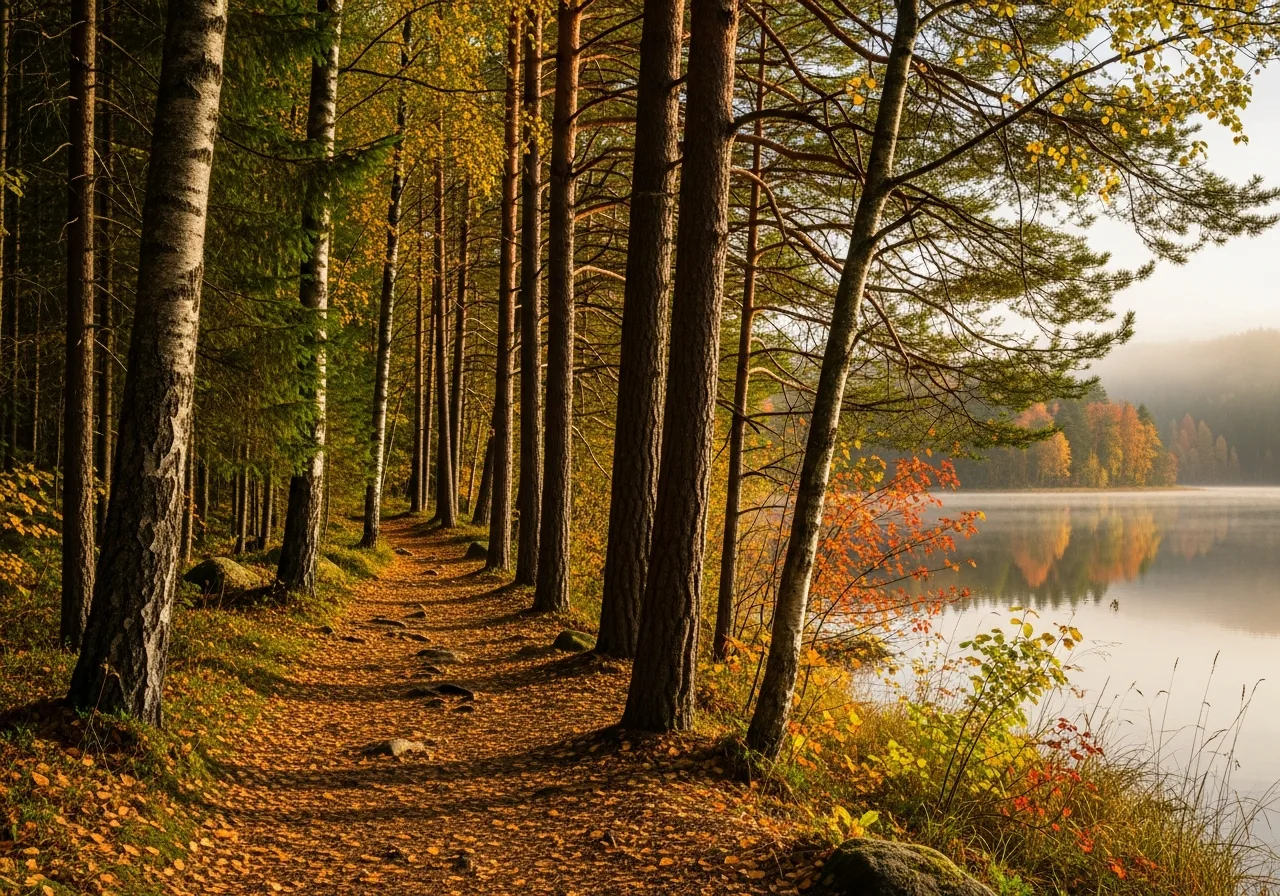
On our walks, fika usually happens at a viewpoint or in a sheltered clearing. We carry thermos flasks of freshly brewed coffee (and tea, for those who prefer it), along with homemade or locally baked kanelbullar. In winter, we might light a small fire. In summer, we sit on rocks by the lake.
It's always the moment when the group relaxes, the conversation opens up and the experience shifts from 'walk' to 'something more'. Guests tell us it's often their favourite part of the day — not because of the coffee (though the coffee is good), but because of the feeling. The warmth of the cup in your hands, the sound of the forest, the simple pleasure of being somewhere beautiful with nothing to do but enjoy it.
That's fika. And once you've experienced it, you'll understand why the Swedes built their culture around it.