If you want to understand Sweden, visit in late June. The light alone is worth the trip. In Stockholm, the sun barely sets — dipping below the horizon for a few hours around midnight before rising again into a sky that never fully darkens. The city glows. The forests hum. And on Midsummer's Eve, the entire country comes together for one of Europe's most charming and enduring celebrations.
The Light
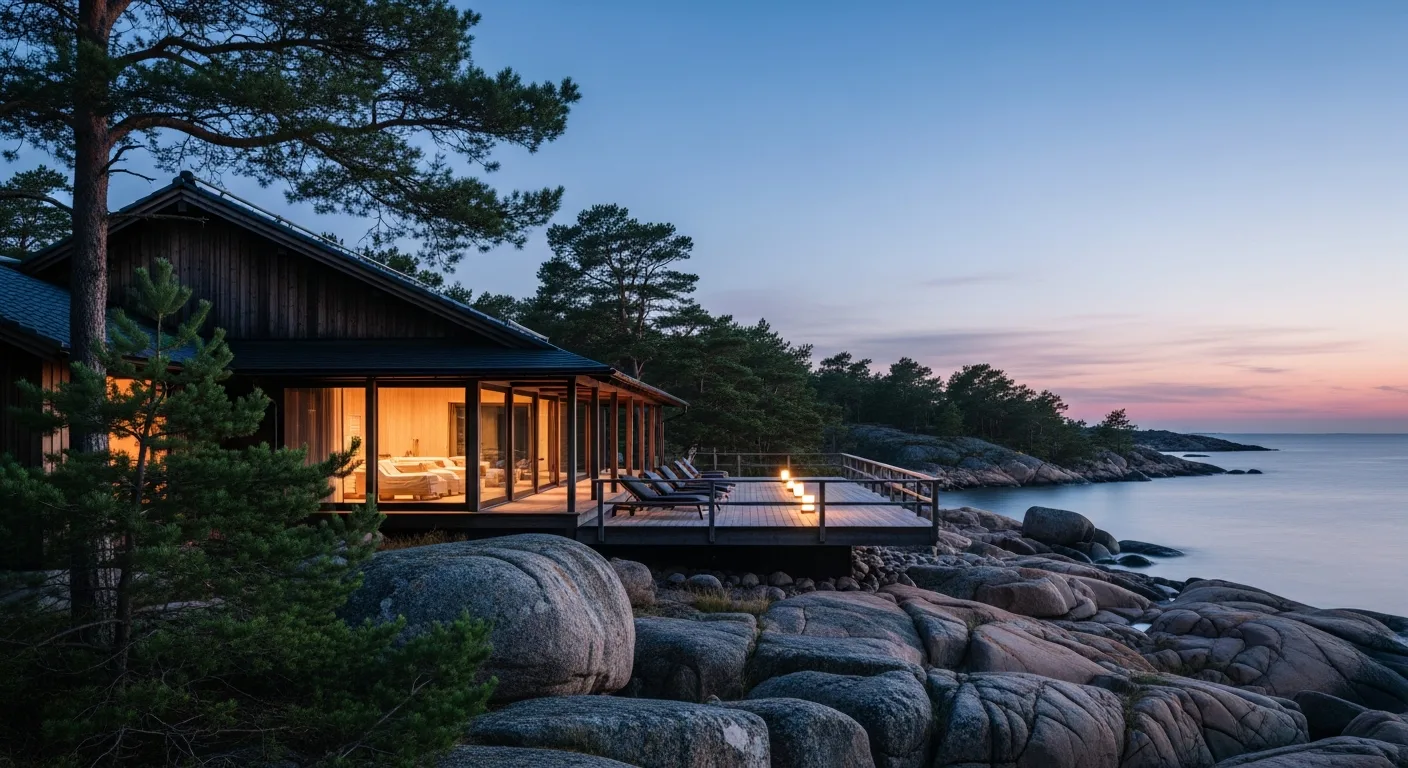
The Swedish summer light is legendary, and for good reason. Around the solstice (June 20–22), Stockholm enjoys nearly 19 hours of sunlight, with an extended twilight that stretches through the 'night'. Further north, above the Arctic Circle, the sun doesn't set at all.
This endless daylight has a profound effect on the Swedish mood and lifestyle. People stay out later, eat dinner on balconies at 10pm, swim at midnight. The parks and waterfronts fill with people simply enjoying the warmth and brightness after the long, dark winter. There's a palpable sense of gratitude and celebration — a national exhale.
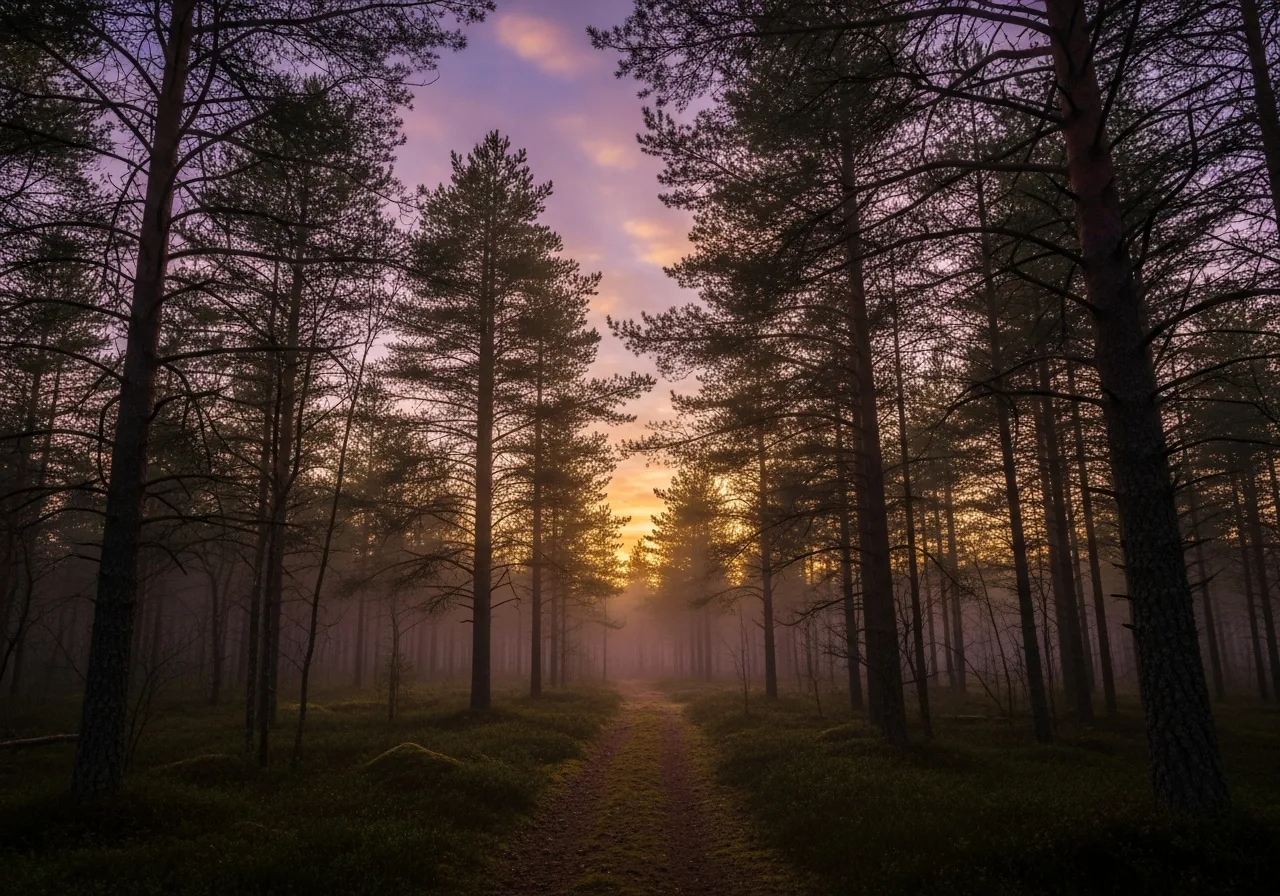
For visitors, the light is extraordinary. Photographs taken at 11pm look like they were shot in the afternoon. The forests take on a dreamlike quality, bathed in a golden light that seems to come from everywhere at once. It's no wonder that so many Swedish artists, filmmakers and musicians draw inspiration from these summer nights.
Midsummer
Midsummer (Midsommar) is arguably Sweden's most important holiday — more culturally significant, many Swedes would say, than Christmas. It falls on the Friday closest to the summer solstice, and the celebrations typically run from Friday afternoon through Sunday.
The centrepiece of Midsummer is the maypole (midsommarstång) — a tall wooden pole decorated with greenery and flowers, raised in a field or garden. People dance around it in circles, performing traditional folk dances with names like 'Små grodorna' (the little frogs). The dances are deliberately silly, involving a lot of hopping and arm-waving, and the contrast between the solemnity of raising the pole and the silliness of the dancing is quintessentially Swedish.
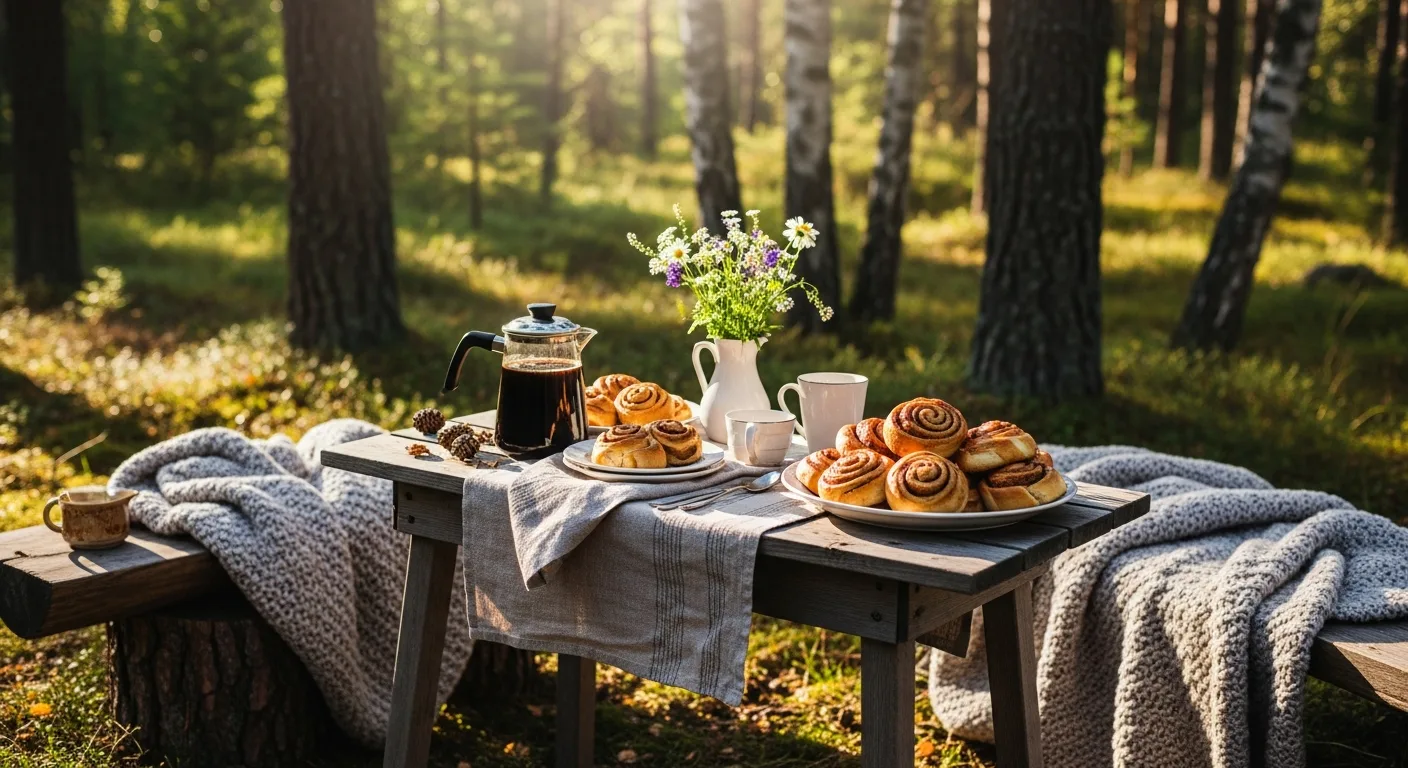
Food is central to the celebration. The traditional Midsummer menu includes pickled herring (in several varieties), new potatoes with dill, sour cream and chives, and fresh strawberries with cream for dessert. Schnapps is drunk with the herring, accompanied by drinking songs that everyone knows and nobody sings particularly well.
The celebration is typically held outdoors — in gardens, parks or on archipelago islands. Flower crowns are worn, especially by children and women, made from wildflowers picked earlier in the day. There's a tradition that young women should pick seven different types of wildflower and place them under their pillow on Midsummer's Eve to dream of their future partner.
Experiencing Midsummer as a Visitor
Midsummer can be tricky for visitors because it's primarily a private celebration — families gather at summer houses, and many restaurants and businesses close for the weekend. But there are public celebrations in parks around Stockholm, and the archipelago comes alive with village festivities.
If you're in Stockholm around Midsummer, the best experiences tend to be the most authentic ones — joining a local family, attending a village celebration on one of the archipelago islands, or simply walking through the countryside and soaking up the extraordinary light.
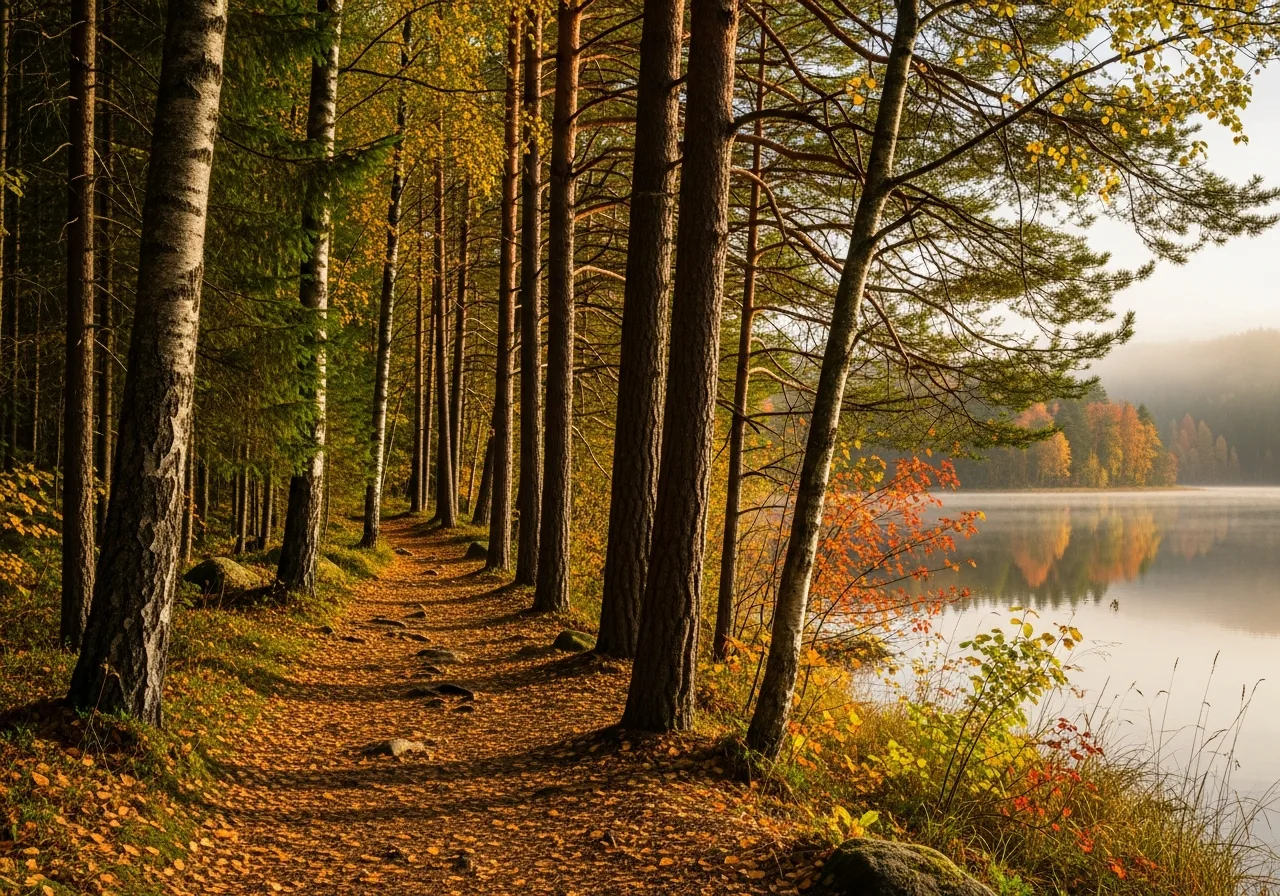
Our nature walks in late June are timed to make the most of the summer light. Walking through the forest at 8pm, with the sun still high and the air warm and scented with pine, is one of the most beautiful experiences Stockholm has to offer.