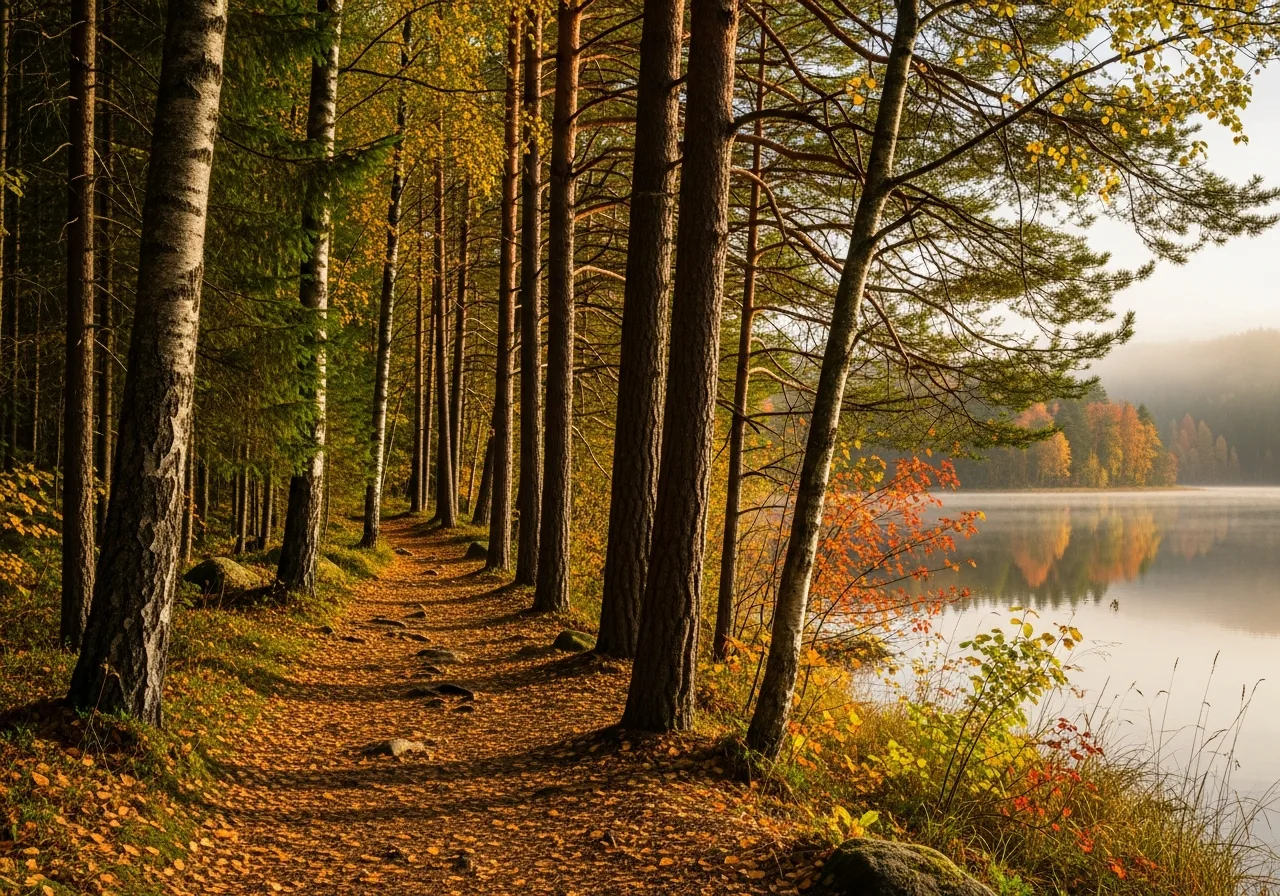
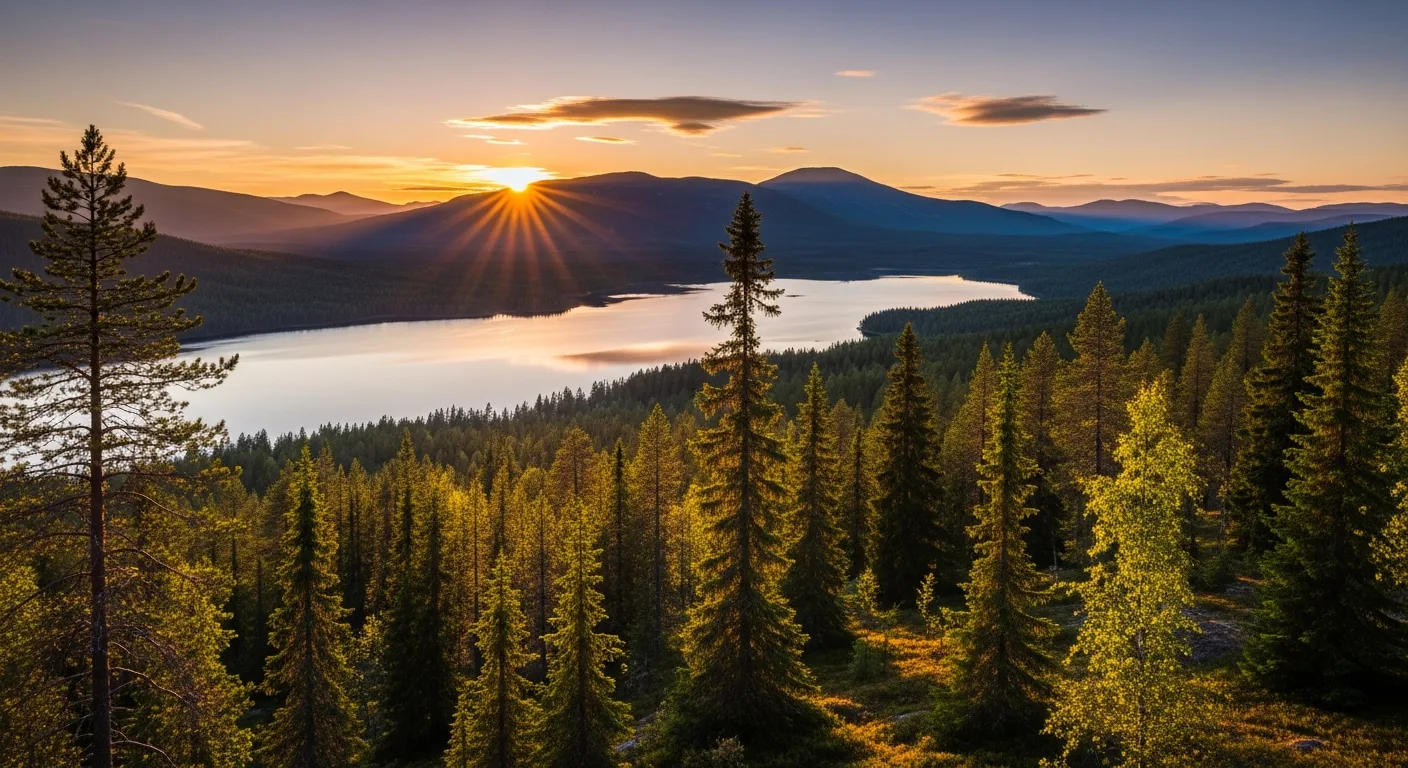
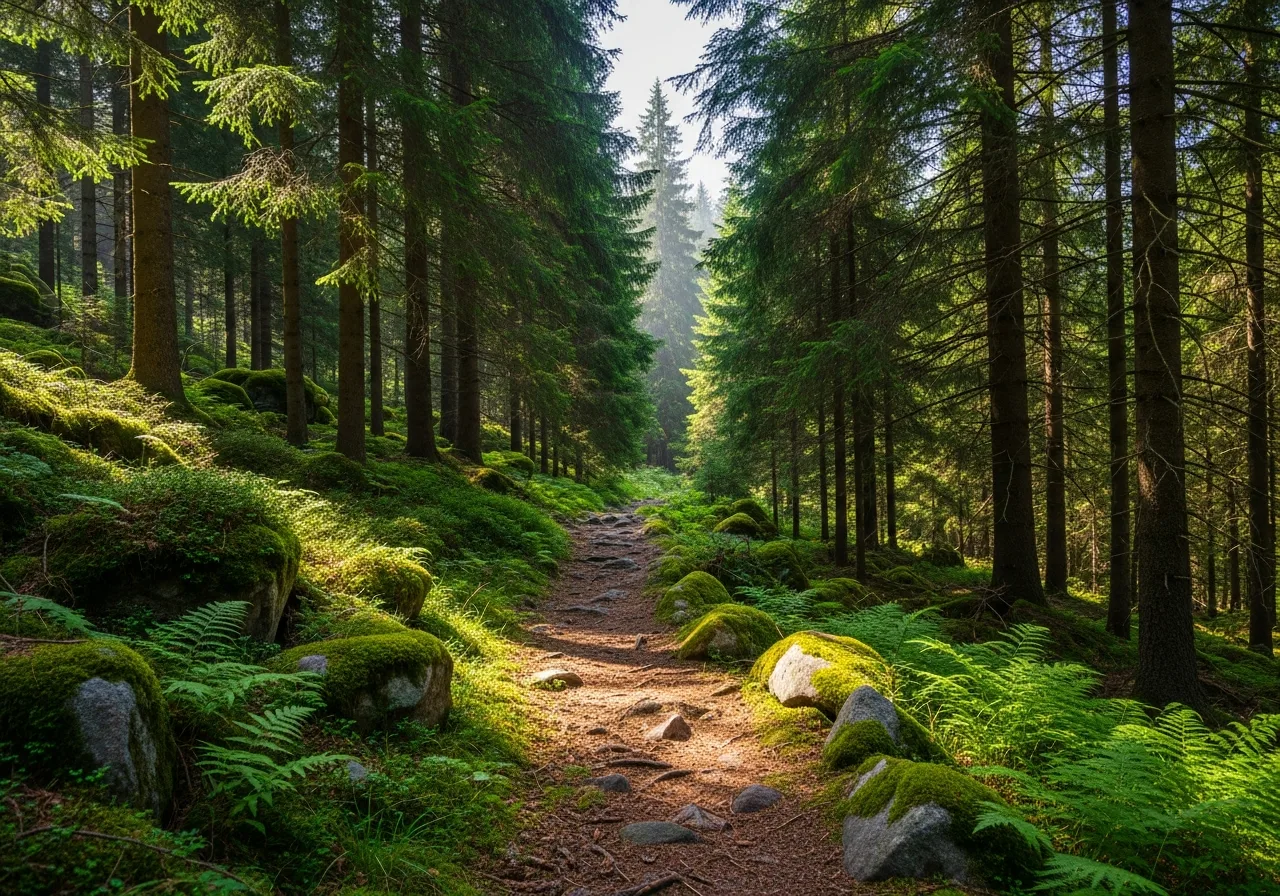
The Swedish forest feeds you, if you know where to look. Thanks to allemansrätten — the Right of Public Access — anyone can pick wild berries, mushrooms and herbs in Sweden's forests, regardless of who owns the land. This isn't just a legal right; it's a cultural practice that most Swedes learn as children and continue throughout their lives.
Foraging is woven into the rhythm of the Swedish year. Each season brings its own harvest, and knowing what to look for and when is part of the pleasure. Here's a guide to the most rewarding things to forage in the forests around Stockholm.
Spring (April–May): The First Greens
As the snow retreats and the forest floor warms, the first edible plants appear. Nettles (nässlor) are among the earliest — pick the young, tender tops with gloves and use them in soups, risottos or dried for tea. They're rich in iron and vitamin C.
Wild garlic (ramslök) carpets damp woodland floors in late April and May. The leaves have a strong, garlicky flavour that works beautifully in pestos, salads and omelettes. Look for it in deciduous forests near streams.
Ground elder (kirskål) is considered a weed by most gardeners, but the young leaves are delicious — slightly sweet with a celery-like flavour. Pick them before the plant flowers.
Summer (June–August): Berries Begin
Wild strawberries (smultron) appear in June — tiny, intensely fragrant and almost impossibly sweet. They grow on sunny slopes, forest edges and roadsides. You'll rarely gather enough for more than a handful, but that handful will be memorable.
Blueberries (blåbär) are the great summer harvest. From mid-July, the forest floor turns blue with them. Swedish blueberries are smaller and more intensely flavoured than cultivated varieties — darker, sweeter and staining everything they touch a deep purple. They grow everywhere in coniferous forests and can be gathered by the litre with a berry comb (bärplockare).
Cloudberries (hjortron) grow in boggy, marshy terrain and are considered a delicacy. Golden-orange and soft, they have a complex flavour — sweet, tart and slightly floral. They're notoriously difficult to find in quantity, which is part of their mystique. Cloudberry jam with fresh cream is one of Sweden's finest desserts.
Autumn (September–October): The Mushroom Season
Autumn is mushroom season, and for many Swedes, this is the highlight of the foraging year. The forests around Stockholm yield an impressive variety of edible fungi, but the undisputed star is the chanterelle (kantarell).
Chanterelles appear from late June but peak in September and October. They're golden-yellow, funnel-shaped and have a fruity, peppery aroma that's unmistakable. Look for them in mossy coniferous and mixed forests, particularly on north-facing slopes. They often grow in the same spots year after year, and experienced foragers guard their locations jealously.
Porcini (karljohansvamp) are another prized find — large, meaty mushrooms with a rich, nutty flavour. They grow under pine and spruce trees and are excellent sliced and fried in butter with a pinch of salt.
Funnel chanterelles (trattkantareller) arrive later in autumn and often grow in enormous quantities. They're thinner and more delicate than golden chanterelles but equally delicious, particularly dried and added to soups and stews.
A word of caution: mushroom foraging requires knowledge. Some species are fatally poisonous and can resemble edible varieties. If you're new to mushroom picking, go with an experienced guide or take a course. Never eat a mushroom you haven't identified with certainty.
Late Autumn: Lingonberries and Rosehips
Lingonberries (lingon) ripen from late August into October and grow in abundance on the forest floor — small, red and tart. They're rarely eaten raw but are transformed by cooking into lingonsylt (lingonberry jam), which accompanies everything from meatballs to pancakes to porridge. Picking lingonberries is a meditative, repetitive activity — perfect for a quiet afternoon in the forest.
Rosehips (nypon) are gathered after the first frost, which softens them and concentrates their flavour. They make an excellent soup (nyponsoppa) — a classic Swedish dish served warm with cream and almond biscuits.
Foraging on Our Walks
Several of our nature walks include foraging elements, depending on the season. Our guides know the forests around Stockholm intimately and can point out edible species that you'd walk straight past on your own. It's one of the most rewarding ways to connect with the Swedish landscape — and you get to eat the results.